Services / Window Tint
Window Tint in Fargo, ND
Computer-cut window tint that beats the glare and the heat
Typical time in shop: 2–4 hours · Free custom quote
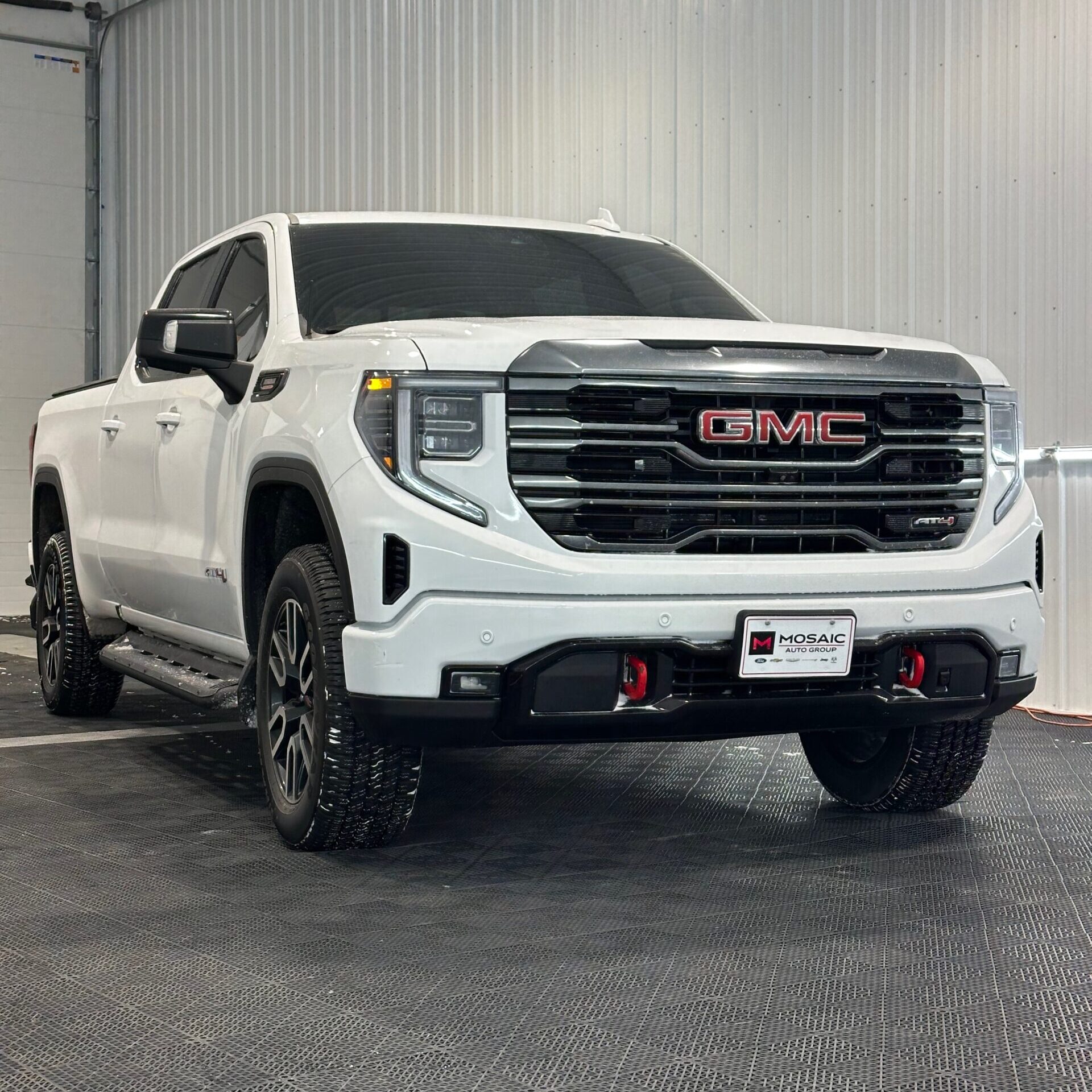 Window Tint
 Fargo, ND · Window Tint
The first question through the door is almost never about film brands. It's "how dark can I legally go?" And because we sit two miles from the Red River, the answer depends on which side of it your registration says you live on — not on which side you happen to be driving. North Dakota and Minnesota set different numbers, and the North Dakota number changed recently, so a shade that was fine on a friend's car three years ago may not be the right answer for yours today. We print both sets of numbers further down this page.
The rest of the conversation is about what you actually want the film to do. Heat is the common answer in July, when a parked cabin hits temperatures that cook a dash. Glare is the answer in January, when low sun coming off fresh snow makes the drive to work genuinely difficult. Privacy and UV protection are the answers that come up when there are kids in the back seat and a leather interior you'd like to keep.
Every piece of film we install is plotted from your vehicle's exact window patterns and cut on a machine. Nothing gets trimmed with a blade against your glass, which is where scratched windows and lifted edges come from.
Why it’s worth it
What you get
- Cuts cabin heat, so the car isn't a furnace after four hours in a July parking lot
- Blocks the UV that fades a dash, cracks leather and bleaches upholstery over the years
- Reduces glare from low winter sun and from sunlight coming off snow-covered fields
- Adds privacy for whatever is sitting on your back seat at a trailhead or a parking ramp
- Takes load off your AC, since the system is starting from a cooler cabin
- Holds glass fragments together if a window is struck, rather than letting them scatter through the cabin
- Gives the vehicle a clean, uniform shade line across matched glass
- Nano-ceramic options that don't interfere with GPS, cell or radio signal, unlike the older metallic films
How it works
Our process
We walk you through carbon vs. ceramic and the legal shade limits in North Dakota.
Each pane is plotted and cut to your exact vehicle — no razor blades on the glass.
Film is applied and squeegeed in a controlled space to prevent dust and bubbles.
We explain the short cure period and hand you the warranty paperwork.
What we do
Our window tint process, in detail
Every job opens the same way. We look at the vehicle, ask what you're solving for, and confirm the current legal limits for the state your vehicle is registered in. Then the film is plotted to your exact glass and cut before it ever comes near the car.
Part of every install:
- Inspection of the glass and any existing film, with removal quoted separately if you're replacing old tint
- Confirmation of the current North Dakota or Minnesota limits for your registration state, window by window
- Computer-plotted film cut to your vehicle's specific window patterns
- Interior masked and protected, in a controlled bay so dust stays out of the film
- Proper heat-shaping and squeegee technique around curves, defrost lines and antennas
- Cure-time guidance so you know when it's safe to roll the windows down
- Warranty coverage on the film against fading, peeling and bubbling
Who it’s for
Which vehicles benefit most
Daily commuters
If you're running highway miles every day, tint changes how the drive feels more than almost anything else you can add. Heat-rejecting film keeps the cabin from baking on the summer trip home, and it knocks down the glare that makes January mornings and October sunsets tiring. Commuters usually end up choosing film weighted toward heat and glare rejection, since that's the problem they're solving twice a day.
Families and SUVs
Family vehicles carry the most worth protecting, including kids sitting in direct sun for the whole drive to the lake. Tint pulls down interior temperature so a van parked at soccer practice isn't an oven when everyone piles back in, and the UV rejection keeps upholstery and dash plastics from cooking. Privacy tends to matter more to this group than to a single commuter, and that changes which shade makes sense on the rear glass.
Trucks
Work trucks and weekend trucks want tint for different reasons. In and out of the cab all day, heat and glare rejection is a comfort issue you feel by mid-afternoon. On a truck you've put money into, it's about keeping the interior from fading and giving the vehicle a finished look. Either way, the larger glass area on a crew cab means more surface for UV to come through.
Luxury and enthusiast vehicles
When the interior finish is the reason you bought the car, nano-ceramic film is usually the right call. It rejects substantially more infrared at the same visible shade than carbon does, it holds its color rather than drifting purple, and it doesn't interfere with the electronics packed into a modern vehicle. We'll lay out what you're paying for so the decision is yours.
Good to know
North Dakota and Minnesota tint law, with the actual numbers, plus carbon vs. ceramic
Here are the numbers. North Dakota law sets a single floor of 35% VLT on every window other than the windshield. That means the front doors, the rear doors and the back glass all have to let at least 35% of visible light through. There is no darker allowance for the rear windows in North Dakota, which surprises a lot of people who moved here from a state that has one. The windshield must be at least 70% VLT, and non-reflective film is permitted above the AS-1 line. These limits come from NDCC 39-21-39, and they changed with HB 1340, effective August 1, 2025. If you were quoted a different number by another shop a few years ago, that is why.
Minnesota is stricter on the sides and rear. Minn. Stat. 169.71 sets 50% VLT on side and rear windows, with a 3% tolerance, and it does not allow light-reducing material on the windshield at all.
Two practical consequences for people living in this metro. First, a Moorhead or Dilworth vehicle registered in Minnesota cannot legally wear the same shade as a Fargo vehicle registered in North Dakota, even if they park next to each other every day at the same office. Second, if you register in Minnesota, the windshield strip that is permitted above the AS-1 line in North Dakota is not an option for you. We confirm your registration state before we quote, and we install to that state's limits. We can't control how any given traffic stop or inspection goes, and there are medical exemption processes in both states that we're happy to point you toward if that applies to you.
The other decision is carbon versus nano-ceramic. Carbon film is a genuinely good product. It rejects a solid amount of heat and UV, it holds up against fading far better than the old dyed films that turned purple, and it gives a clean matte look with no reflectivity. For a lot of vehicles it's all the film anyone needs.
Nano-ceramic costs more and there's a real reason. Ceramic particles reject substantially more infrared heat than carbon does at the same visible darkness, which matters a great deal in a state where the legal floor is 35%. If you can't go darker, the only lever left for heat rejection is film technology. Ceramic also holds color and clarity longer, and it doesn't interfere with radio, GPS or cell signal the way older metallic films could.
There's no universally right answer between them. It depends on your vehicle, your budget and how much time you spend sitting in it. Once we know those things we'll put together a free quote with a recommendation and the reasoning attached, so you can disagree with us if you want to.
FAQ
Window Tint questions, answered
How dark can I legally tint my windows in North Dakota?
North Dakota sets a 35% VLT floor on every window except the windshield, and that single limit applies to the front doors, rear doors and back glass alike. There is no darker allowance for rear windows. The windshield must be at least 70% VLT, and non-reflective film is allowed above the AS-1 line. These limits are in NDCC 39-21-39 and were changed by HB 1340, effective August 1, 2025.
What about Minnesota? I live in Moorhead.
Minnesota is stricter. Minn. Stat. 169.71 requires 50% VLT on side and rear windows, with a 3% tolerance, and it does not permit light-reducing material on the windshield. So a Minnesota-registered vehicle can't legally wear the North Dakota shade, and the windshield strip that's allowed above the AS-1 line in North Dakota isn't available to you. We go by the state on your registration.
What's the real difference between carbon and ceramic tint?
Carbon film gives solid heat rejection, good UV blocking and a clean matte finish at a lower cost. Nano-ceramic film uses ceramic particles that reject noticeably more infrared heat at the same visible darkness, hold color longer, and don't interfere with radio or GPS the way older metallic films could. In a state with a 35% floor, film technology is the only remaining way to get more heat rejection, which is why ceramic gets recommended here more often than it might elsewhere.
How long does window tint take to cure?
Cure time moves with film type, outside temperature and humidity, so we give you a specific number at the install rather than a generic one. Plan on leaving the windows up and keeping direct defrost heat off the glass for several days while the remaining moisture clears. A little haze or a few small water pockets during that window are normal and disappear on their own.
Will tint actually help with a car that sits in a parking lot all day in summer?
Considerably. Quality film rejects a large share of infrared energy before it gets through the glass, so a tinted vehicle comes back noticeably cooler after hours in direct sun. Your AC also has less work to do bringing the cabin down, and the dash and seats take far less UV exposure day after day.
Can I tint just some of the windows?
Yes, and plenty of people do. A windshield strip for glare, the front doors only, or just the rear glass for privacy are all common. The windshield has its own rules that differ from side and rear glass in both states, so we'll confirm what's permitted where you're registered before quoting that piece.
Book your window tint
Serving Fargo, ND, West Fargo, ND, Moorhead, MN, Dilworth, MN and the surrounding area.
Get a free quote